On Being Alone

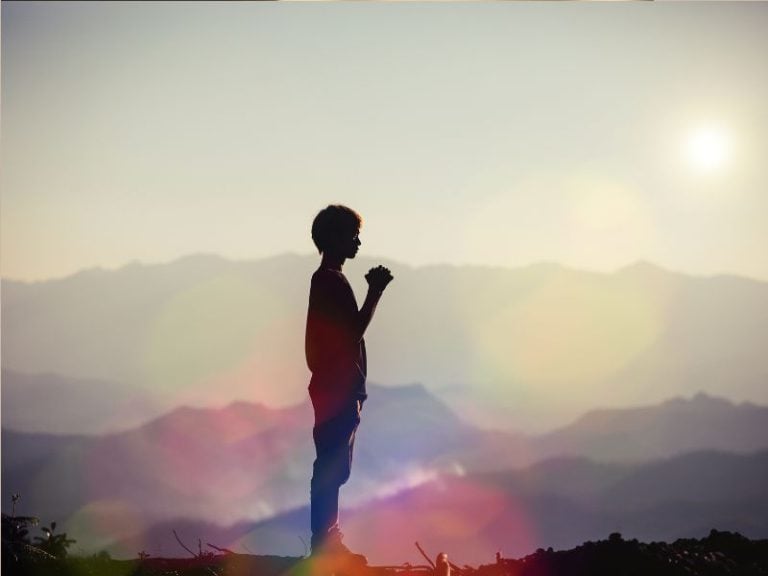
In the last article I discussed the health benefits of social contact. Just as importantly studies are showing that alone time has health benefits too. This is especially true in today’s 24/7 world where we all seem to be constantly connected to the outside world via our mobile devices and internet. FOMO (fear of missing out) is a real fear for many, driving us to stay more and more connected to unhealthy levels. Sadly however, people who seek solitude are often deemed to be ‘sad’, ‘lonely’, or ‘antisocial’ by modern western culture. Certainly, extreme solitude is not healthy but moderate solitude (of around half an hour a day) can actually promote health, including positive mood.
The benefits of alone time include:
- Improved memory, concentration and productivity. Distractions and interruptions make it difficult to concentrate. When another person is present, you can’t help but pay attention. This can be a positive distraction but it’s still a distraction. One technique I use to help with focus is to play a 432Hz cognition enhancer track through my headphones while I do paperwork. Solitude may help you get more work done in a shorter amount of time.
- A chance to unwind and reset your brain. Being around people means your brain is constantly switched “on”. Being alone means you are more likely to clear your mind and fully relax.
- Improved sleep. This is usually because of number 2 above, meaning it is easier to sleep if we have wound down and relaxed prior and that is easier to achieve if we are alone.
- Improved creativity. Studies have shown that one of the most prominent features of creative folks is their preference for alone time over socialising. If you think back mos of your best ideas usually occur when you are alone.
- More time to do what makes you happy. For example, hobbies, naps, and partaking in your favourite physical activity.
- Providing you a ‘getting to know yourself’ opportunity. Too much of being part of a group, means you tend to do and think what the group is doing or thinking. Finding what you really love to do and think, i.e. self-awareness, requires space and time alone.
- Reduced inflammation and stress. Positive brain chemicals (neurotransmitters) are released when we are alone and quiet.
- Enhanced relationships with others. When you have a better understanding of who you are and what you really want, you’re more likely to pick more compatible people to be around. Introverts tend to have fewer but stronger friendships (this is linked to greater happiness). You are also more likely to appreciate your relationships.
Despite these benefits, it can be a challenge to find time alone in a 24/7 world. The following are some tips to help you find more alone time.
- Wake up earlier than everyone else in your home, and use that time to create, produce, problem solve, meditate, or whatever makes you happy. One of my favourite books called The Miracle Morning describes a process termed ‘SAVERS’. This stands for Silence, (in prayer or meditation), Affirmations, Visualisation, Exercise, Reading, Scribing (aka Journaling). It also helps to get to work before everyone else arrives.
- Schedule ‘alone time’. If you track what you do in a day, like answering emails or going on facebook, getting a coffee or chatting with colleagues on the way to the photocopier, you’ll find this often adds up to a significant amount of time. Even half an hour helps and at the very least using the ‘Breathe’ app or praying or 2 minutes whilst on the toilet is better than nothing. Any time in solitude is better than no time.
- If being fully alone is too daunting try to be alone with others. For example, reading at a cafe, visiting a library or walking on a busy beach.
- Make the most of your lunch break. Definitely don’t spend it working at your desk or doing jobs. Have a lunch date with yourself to sit in the sun or go for a walk.
- Spend some time each day unplugging from the world. Get yourself a cellphone or computer activity tracker and you will probably be surprised at how long you spend on them. Then turn off your cell phone, TV and Internet slightly more each day. Even better, leave devices at home and get out into nature. Nature exposure is independently good for our health over and above getting us away from our devices.
- Close your office, bedroom, house door. Don’t feel the need to answer the door if you are having some alone time. To save people being offended then it’s probably best to make a sign for the door which tells people that you are busy and will be with them at a set time.
Best of luck for cultivating alone time, it’s definitely worth it!
See more Health Helpline articles here.